Post-Infection IBS: When Food Poisoning Leaves a Lasting Legacy
What is PI-IBS?
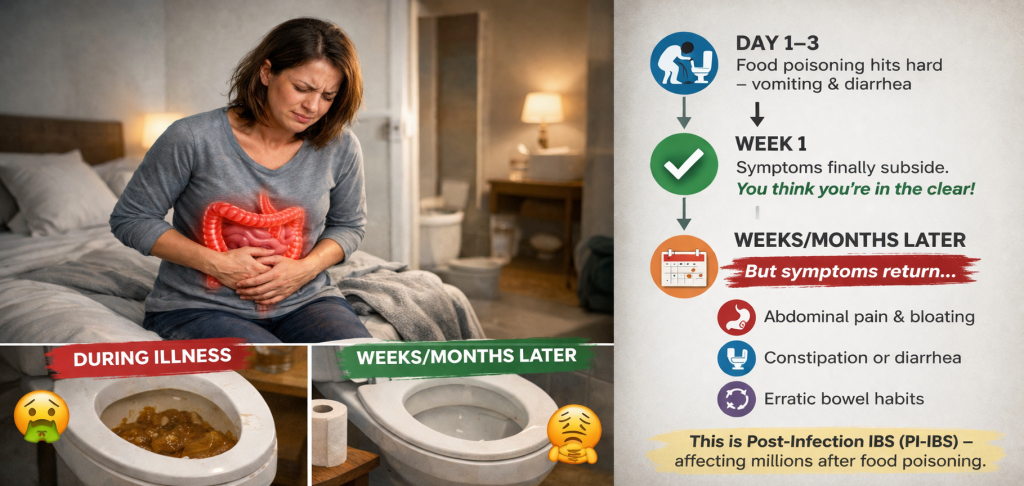
Post-Infection IBS is a chronic functional bowel disorder. It’s essentially IBS that develops after an acute gastrointestinal infection, like food poisoning, stomach flu (viral gastroenteritis), or a bacterial infection (e.g., Salmonella, Campylobacter). While typical food poisoning clears up relatively quickly, PI-IBS can persist for months or even years.
Why Does It Happen?
It’s not just a lingering infection. Even though the original pathogen (the bacteria or virus) is long gone, the initial illness leaves a mark. The damage caused by the infection triggers a complex cascade of events that can lead to long-term gut dysfunction. The main culprits are:
-
Persistent Low-Grade Inflammation: The initial infection causes an inflammatory response in the gut lining. In PI-IBS, this inflammation can become chronic, even if it’s mild. It can alter the gut’s barrier function, making it “leaky.”
-
Altered Gut Microbiome: The infection disrupts the delicate balance of beneficial bacteria in your gut (your microbiome). This disruption, or dysbiosis, can have a domino effect on digestion, immunity, and overall gut health.
-
Nerve Disruption (The Gut-Brain Axis): The gut is a highly innervated organ, teeming with nerves that communicate directly with the brain (the gut-brain axis). The initial inflammation and changes in the microbiome can damage or sensitize these nerves, leading to increased pain sensitivity and altered gut motility.
-
Increased Gut Permeability (“Leaky Gut”): A healthy gut lining acts as a tight barrier. The initial infection and subsequent inflammation can damage this barrier, allowing food particles and bacterial toxins to leak into the bloodstream, further fueling inflammation and symptoms.
Common Symptoms of PI-IBS:
The symptoms of PI-IBS mirror those of classic IBS and can include:
-
Abdominal Pain: Chronic, often crampy pain that can vary in intensity.
-
Bloating and Gas: Feeling uncomfortably full and gassy.
-
Diarrhea: Frequent, loose stools.
-
Constipation: Difficulty passing stools or infrequent bowel movements.
-
Mixed Bowel Habits: Alternating between diarrhea and constipation.
-
Urgency: A sudden and strong need to have a bowel movement.
-
Incomplete Evacuation: A feeling that you haven’t fully emptied your bowels.
Diagnosing PI-IBS:
There’s no single test for PI-IBS. It’s a diagnosis of exclusion. Doctors will first rule out other potential causes of your symptoms, such as:
-
Inflammatory Bowel Disease (IBD): Like Crohn’s disease or ulcerative colitis.
-
Celiac Disease: An autoimmune reaction to gluten.
-
Chronic Infections: For example, a lingering parasitic infection.
-
Food Intolerances or Allergies.
A key element in diagnosing PI-IBS is a clear link between the onset of symptoms and a preceding gastrointestinal infection. Your doctor will ask about your medical history, including any recent illnesses.
Managing PI-IBS:
Living with PI-IBS can be challenging, but there are management strategies that can help you find relief:
-
Dietary Changes: Identifying and avoiding trigger foods is crucial. Common culprits include high-FODMAP foods (certain carbohydrates), gluten, dairy, and caffeine. A low-FODMAP diet is often recommended and can be very effective.
-
Probiotics: Since the microbiome is disrupted, probiotics can help restore balance and improve gut health. Choose a strain-specific probiotic that has been shown to be effective for IBS.
-
Medications: Over-the-counter or prescription medications can help manage specific symptoms:
-
Anti-diarrheal medications: Like loperamide.
-
Laxatives: For constipation.
-
Antispasmodics: To reduce abdominal pain and cramping.
-
Low-dose antidepressants: In some cases, these can help manage pain by modulating nerve activity in the gut.
-
-
Stress Management: Stress is a major trigger for IBS. Techniques like mindfulness, meditation, yoga, and therapy can be incredibly helpful in reducing stress and calming the gut-brain axis.
-
Gut-Directed Hypnotherapy: This specialized form of hypnotherapy has shown remarkable results in improving IBS symptoms. It focuses on using suggestion and visualization to help you gain more control over your digestive system.
The Road to Recovery:
While PI-IBS can be a long-term condition, it is manageable. For many people, symptoms improve significantly over time. Recovery can take months or even years, and it requires patience and dedication to lifestyle and dietary changes. Working closely with a healthcare professional, such as a gastroenterologist or a registered dietitian, is essential for developing a personalized management plan.
Conclusion:
Post-Infection IBS is a real and debilitating condition that can significantly impact your quality of life. Understanding the link between a past gastrointestinal infection and your current gut problems is the first step towards getting the help you need. By focusing on identifying your triggers, restoring gut health, and managing stress, you can take control of your symptoms and move towards a healthier, happier life. Don’t suffer in silence – seek professional guidance and start your journey to gut wellness today.